“You are the world and the world is you”
Shivam Shukla
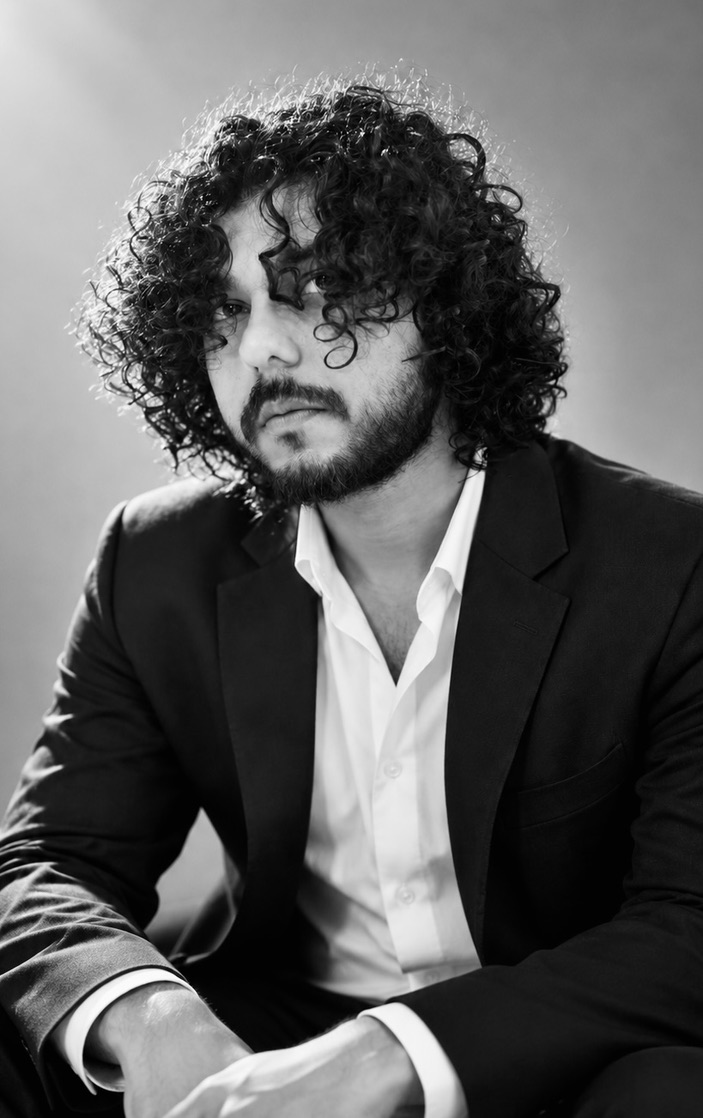
Black and white portrait of Shivam Shukla

Hi! I am Shivam.

Pronouns: He/Him  ·  I also go by Sam

I am a first-year PhD student in Computational Media at the University of California, Santa Cruz, advised by Prof. Magy Seif El-Nasr. Before starting my PhD, I worked as a Research Scientist in the Game User Interaction and Intelligence (GUII) Lab. My research interests lie at the intersection of human-computer interaction, artificial intelligence, psychological well-being, art, and education. I use mixed-methods approaches to explore my research questions, with a particular affinity for qualitative and participatory research. I find that these approaches bring me closer to people's lived experiences, helping me better understand the human side of the problems I study.

Beyond research, I am a self-taught artist who enjoys painting, sketching, and creating digital art. You can explore some of my creative work in the gallery. I also enjoy mixing music on my DJ deck, practicing yoga, and going on long, peaceful walks.

I love doing research, and I've been fortunate to meet and learn from some wonderful people and amazing researchers along the way. As a first-generation student, I've experienced firsthand how much a little guidance and support can mean. I hope to extend that same generosity to others. If you'd like to talk about research, exchange ideas, or simply seek advice that I might be able to offer, feel free to schedule a chat with me. I'd be happy to connect!
Contributions

Through my research, I've had the opportunity to work with different communities and groups, understand the challenges they face, and explore how human-centered research can make a difference. Here are some of the contributions I have made in human-centered research across various disciplines.

Human-Centered AI for Space Exploration

Developed six design guidelines for utilizing AI in space mission planning and execution tools, along with two proposed research directions to support crew autonomy during long-duration exploration missions. This work was accepted at SpaceCHI 2026 and presented at NASA Ames Research Center in September 2026.

Relationship-Centered Design for Mental Health AI

Introduced the concept of Relational Displacement in the context of Digital Therapeutic Alliance (DTA), examining how AI-based therapeutic tools might affect users' relationships by providing the appearance of connection. Building on this idea, I proposed a relationship-centered approach for designing mental health AI tools. This work was presented at CHI 2026 in Barcelona, Spain.

Measuring Relational Orientation in Large Language Models

Proposed Relational Orientation as a way to study how LLMs shape users' relationships with AI and other human-connections during emotionally supportive interactions. Developed an evaluation framework to measure these relational tendencies, with the broader goal of informing AI design that supports long-term psychological well-being. The paper is currently under review.

Understanding Collaborative Learning in Multiplayer Games

Developed a discourse-centered, triangulated methodology to study how players learn and collaborate in a multiplayer educational wildfire preparedness game. This approach brings together different forms of evidence to better understand collaborative learning as it unfolds during gameplay. The research was accepted at JCSG 2025 and FDG 2026, and presented at FDG 2026 in Copenhagen, Denmark.

Research Questions I'm Currently Interested In

  1. How can human-centered AI shape the future of crew-autonomous space mission planning?
  2. What do patterns of social interaction in Massively Multiplayer Online Role-Playing Games (MMORPGs) reveal about player resilience and well-being?
  3. How can we study the artificial intimacy/relatedness produced by LLMs in emotionally supportive contexts?
  4. How can metaphysics help us understand and evaluate the quality of human-AI experiences?

My Research & Design Philosophy

I believe that technology should be built with people, not just for them. Co-creation, critical thinking, and care are the key components of my research and design process. I love questioning assumptions, centering lived experience, and making space for ambiguity and nuance, especially in spaces shaped by AI.

Get in Touch View CV